SSI's Research Branch scientists (both on-site and off-site) participate in a broad array of space science activities, including earth science, space physics, planetary science, and astrophysics. Our research team's expertise continues to expand, and now encompasses investigations of phenomenon on Earth and the geospace environment surrounding our planet. Our scientists study the atmospheres and surfaces of other bodies in our Solar System as well as explore the early stages of the life cycles of stars and nascent planetary systems around other stars. We also study the mysteries of quasars and other types of distant galaxies.
SSI researchers are closely connected to the operations of current astrophysical space facilities such as the SOFIA airborne observatory, and the Kepler, Spitzer, and Hubble Space Telescopes. Closer to home, several SSI researchers focus on Mars research through active participation in the ongoing Mars Exploration Rovers and Mars Reconnaissance Orbiter missions, as well as the Mars Curiosity Rover mission that began with a successful landing in August, 2012. SSI’s off-site and on-site researchers form a network of naturally entrepreneurial scientists who support themselves through a mixture of grants and contracts. Our organization and infrastructure allow for dynamic, collaborative efforts among individuals in fields of research that are typically separated in academic institutions. In this spirit, we continue to look for new creative interdisciplinary opportunities
The Off-Site Research Option
SSI has been a pioneer in remote employment, a mode that has been particularly conducive to our researchers for whom the traditional university or research center is not a viable option. The long-distance nature of most scientific collaborative research lends itself well to the option of remote employment. Access to significant computational resources no longer requires large institutional support. Furthermore, most academic journals and professional proceedings are fully accessible through digital subscriptions, greatly mitigating the need for institutional libraries. Instrument development, which does require significant institutional support, can be done in collaboration with local facilities such as those at Lockheed Martin Corporation and Ball Aerospace and Technologies Corporation.
Research Centers
SSI currently has five research centers:
Center for Space Plasma Physics (CSPP)
The mission of CSPP is to carry out scientific research that will increase our understanding of fundamental and applied aspects of space plasmas.Center for Extrasolar Planetary Systems (CEPS)
The mission of CEPS is to carry out scientific research that will increase our understanding of the characteristics of extrasolar planets and the diverse systems in which they are found.Center for Mars Science (CMS)
The focus of CMS is to provide synergistic science opportunities between existing Mars surface and atmospheric research efforts.Center for Polarimetric Remote Sensing (CPRS)
The mission is to expand our capabilities in retrieving information obtained using photopolarimetry.and Center for Data Science (CDS)
The mission is to bring together domain experts in space sciences and highly skilled corporate talents sharing a common interest in Data Science and Machine Learning.
Center for Space Plasma Physics
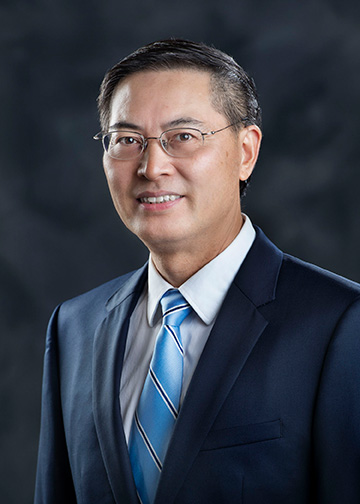
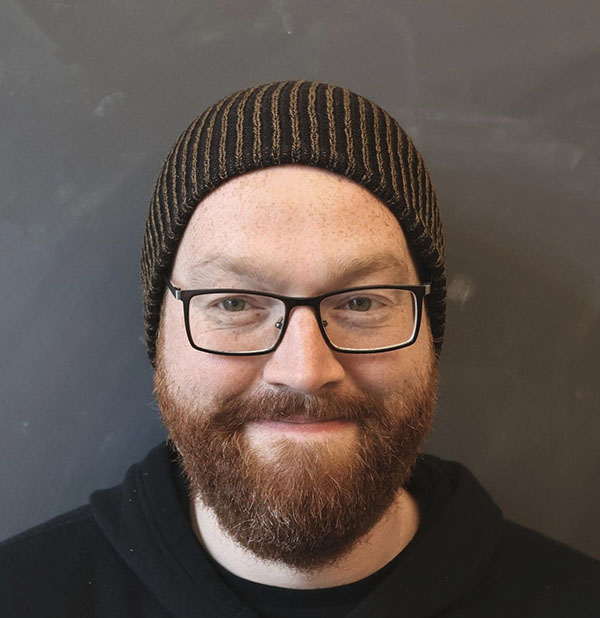
CSPP Chair, Dr. Joe Borovsky, Los Alamos, NM Office
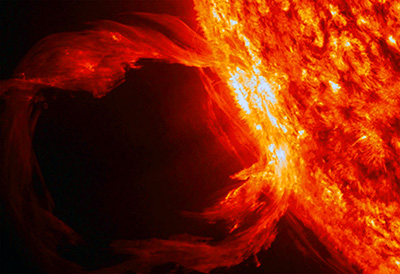
Image credt: NASA
In September 2013, CSPP hosted a week-long, SSI-sponsored, international workshop entitled "10th Cambridge Workshop on Magnetic Reconnection" (http://www.spacescience.org/icwm/). The workshop, organized by Dr. Joachim Birn, was held at the historic Hotel La Fonda in Santa Fe, NM. The Cambridge Workshop series originated in 2004 as a month-long workshop in Cambridge, England. Because of the success of this event, participants decided to continue collaboration through annual weeklong workshops, alternating between Europe and the United States. The focus of the Santa Fe workshop was three-fold: recent progress in reconnection physics, outstanding questions, and future research.
Center for Extrasolar Planetary Systems
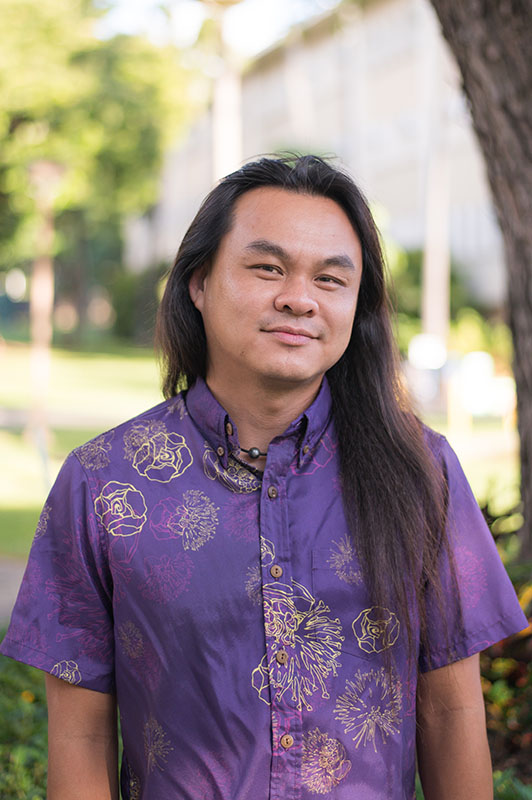
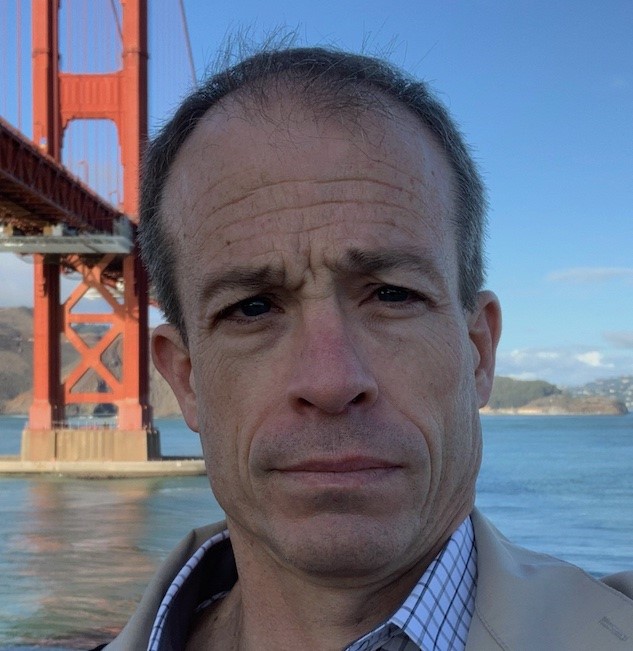
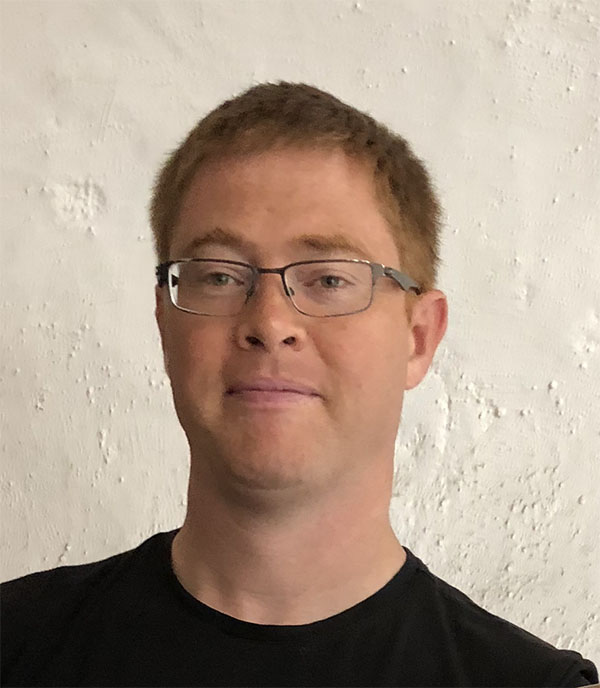
CEPS Chair, Dr. Channon Visscher, Sioux Center, IA Office
Website
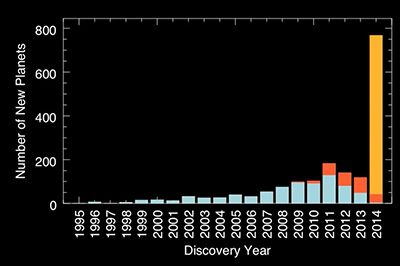
Image credt: NASA Ames/SETI/J Rowe
Because the field is by nature multidisciplinary, CEPS brings together astronomers, physicists, atmospheric scientists, and planetary scientists to provide a forum for the exchange of ideas and expertise. Current research focus areas for CEPS include studies of the physical properties of planet-hosting stars, the chemistry and physics of exoplanet atmospheres, the influence of the host star on the planet and/or system characteristics, the formation and evolution of planetary systems, and the signatures of planetary formation as reflected in debris disks.
In 2014, the twelve CEPS members published more than 70 refereed scientific articles, including papers on asteroseismology and related analyses of the physical properties of Kepler stars, observational and theoretical characterization of protoplanetary disks, theoretical investigations of chemical processes affecting exoplanet atmospheric composition, and strategic planning for extrasolar planetary system observations with future missions such as the James Webb Telescope and PLATO 2.0. In 2014, CEPS also created a web site (http://ceps.spacescience.org/home-page.html), accessible through SSI's main page, to highlight research being done by center members and to provide an interface with the public and other researchers in the exoplanet field. Throughout 2014, individual CEPS members have interpreted data from space-based and ground-based telescopes, performed theoretical modeling calculations, written journal articles, presented conference talks, and submitted proposals to NASA, NSF, and various other funding agencies, including observatories. Such activities will continue in the coming years as CEPS members seek to further our understanding of the amazing diversity of planetary systems beyond our solar neighborhood.
Center for Mars Science
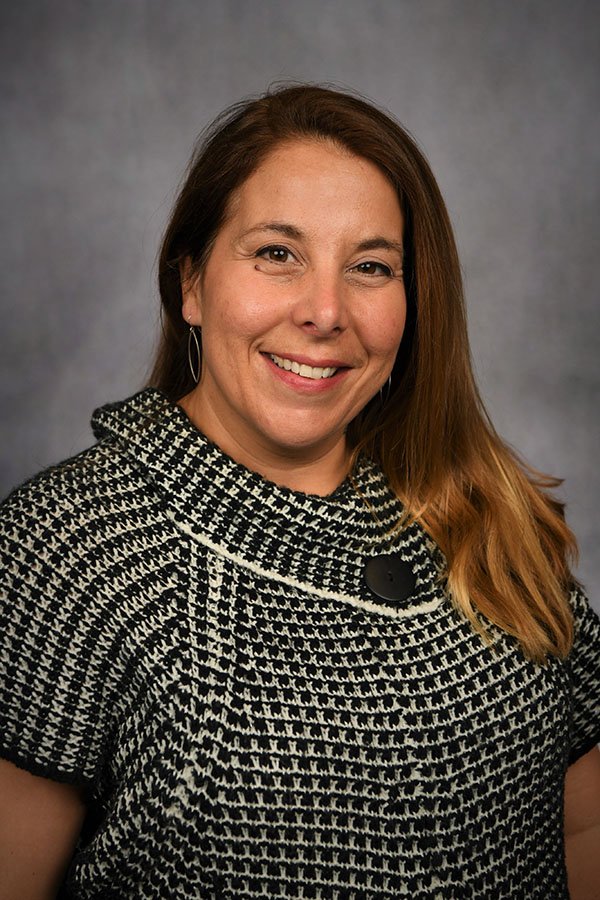
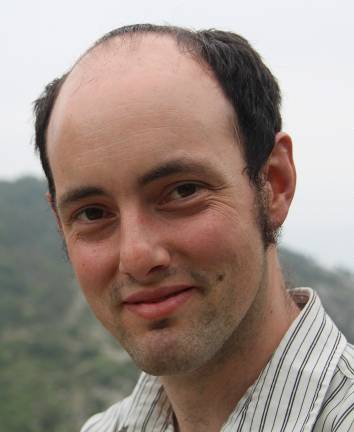
CMS Chair, Dr. Bill Farrand, Boulder, CO Office
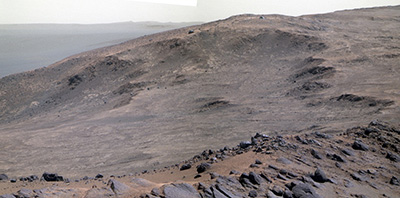
'Marathon Valley' overlook, Mars. Image credt: NASA/ASU
Center for Polarimetric Remote Sensing
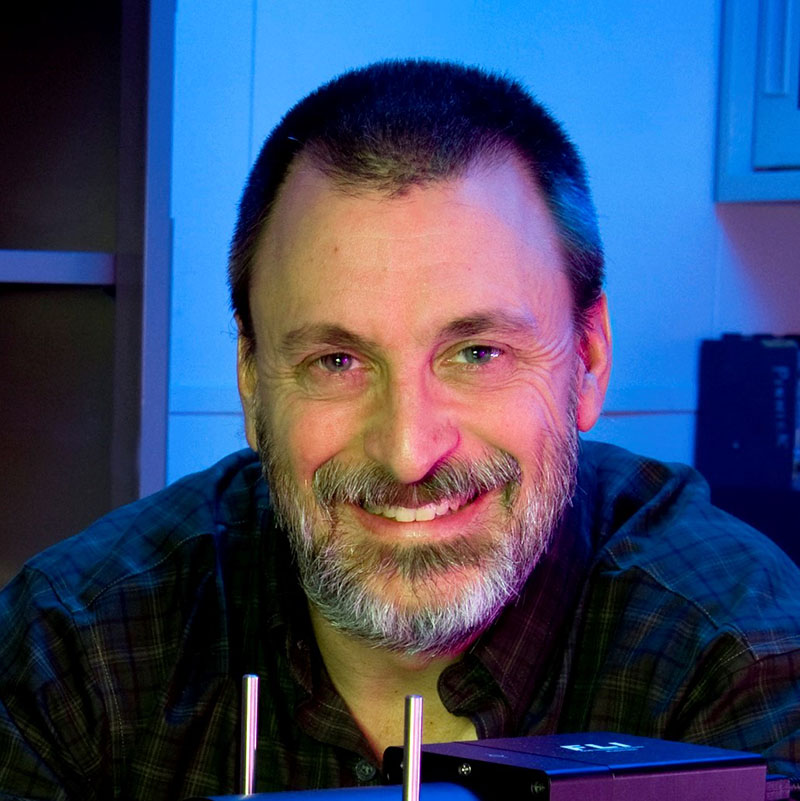
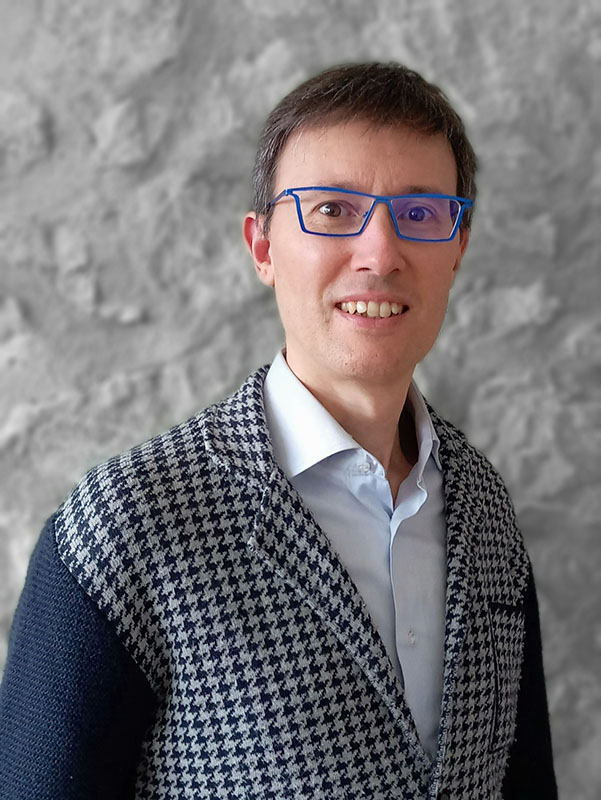
CPRS Chair, Dr. Gorden Videen, Silver Spring, MD Office
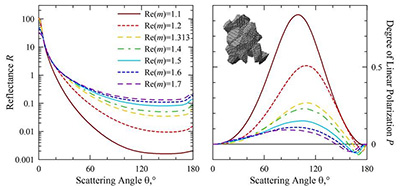
Intensity and linear-polarization response from power-law size distributions of
agglomerated debris particles having different refractive indices.
Center for Data Science
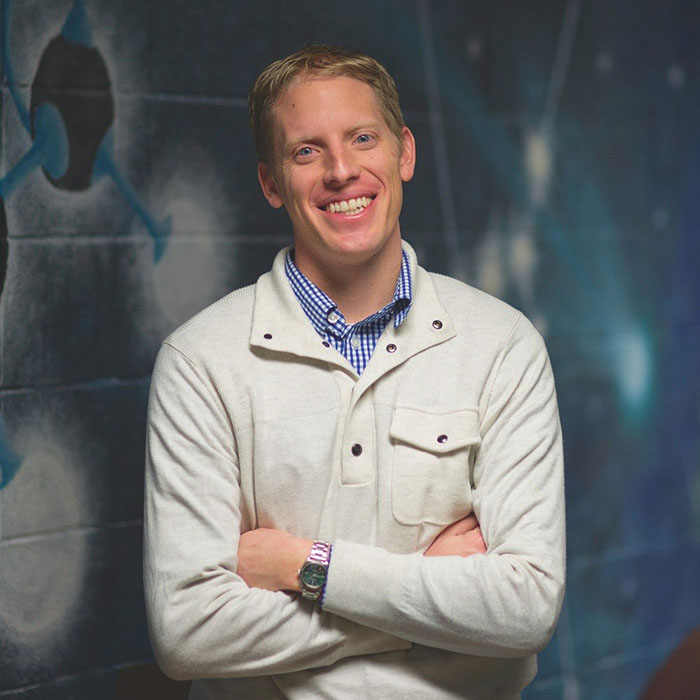
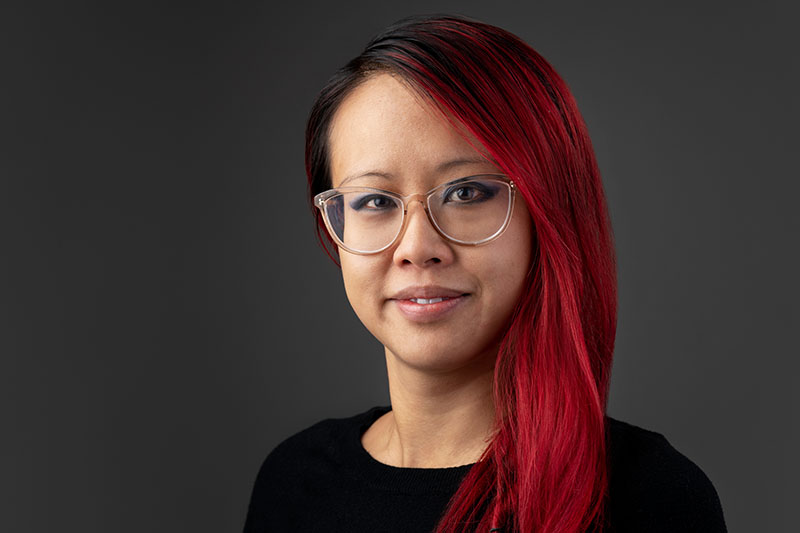
CDS Chair, Dr. Bala Poduval, Boulder, CO

Image credit: Camelia.boban
Interested in joining SSI as a PI?
Visit Our Opportunities Page
Ralph Shuping

Robert Alexander






Yulia Goreva







Driss Takir